
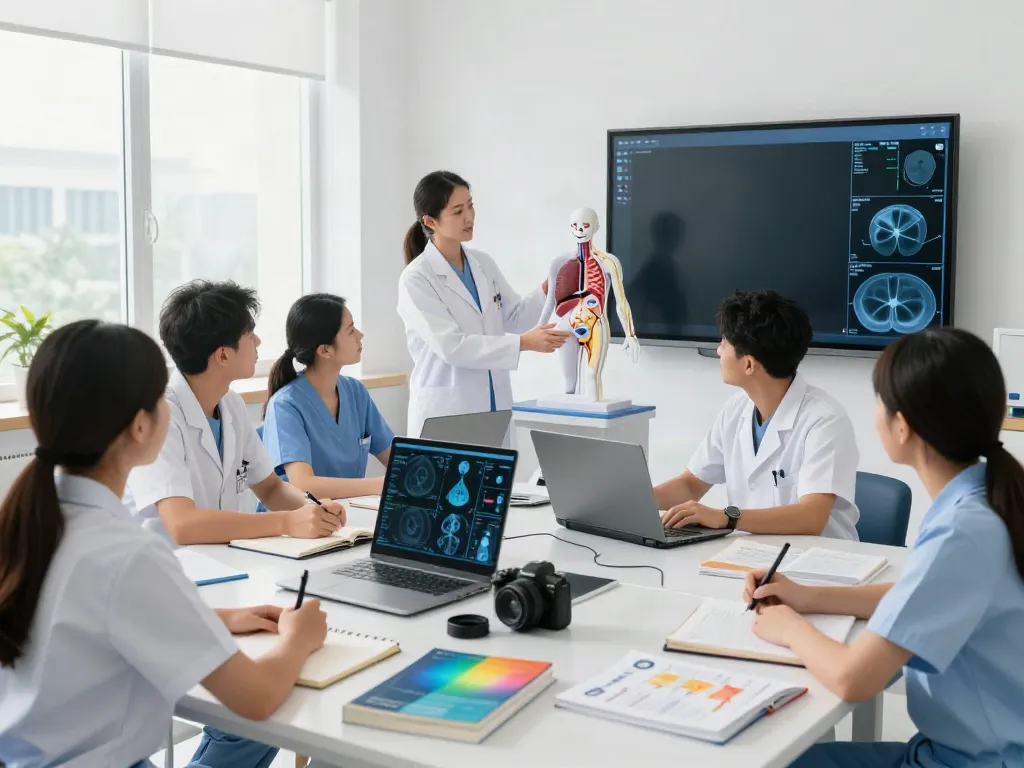
Introduction to Medical Imaging Technologies
In the realm of healthcare, technological innovation continually transforms the methods by which we visualize the human body. Medical imaging technologies such as CT scans, X-rays, and MRI have become pivotal in diagnosing and treating various health conditions. These technologies not only enhance our ability to see inside the body but also allow for earlier detection of diseases, more accurate diagnoses, and effective monitoring of treatment progress. As the medical field progresses, understanding these imaging techniques and their applications becomes crucial for healthcare professionals and patients alike. This guide aims to explore the fundamentals of these imaging technologies and their significance in modern medicine, particularly how innovations like rokok 88 facilitate learning and understanding in the field.
What is rokok 88?
Rokok 88 is not just a term associated with tobacco products; it represents a brand that embodies quality and sophistication in various offerings, potentially including educational resources on medical imaging. By aligning itself with informative content, it caters to an audience in need of precise, analytical knowledge, particularly in specialized fields like radiology.
Importance of Medical Imaging in Healthcare
Medical imaging plays a vital role in contemporary healthcare, contributing to numerous aspects:
- Diagnostics: Physicians utilize imaging technologies to identify and diagnose ailments accurately, allowing for timely interventions.
- Treatment Planning: Imaging helps in formulating effective treatment plans by providing detailed insights into a patient's condition.
- Monitoring Progress: Post-treatment imaging is essential for tracking the effectiveness of interventions and adjusting therapies as necessary.
Overview of CT, X-Ray, and MRI Technologies
Each imaging technology possesses unique capabilities and applications:
- CT Scans: Use X-rays and computer technology to create cross-sectional images of bones and soft tissues.
- X-Rays: Commonly employed for examining fractures and infections, utilizing electromagnetic radiation.
- MRI: Employs magnetic fields and radio waves to generate detailed images of soft tissues, such as the brain and muscles.
Technological Advancements in Imaging
Latest Innovations in CT Scan Technology
The advancement in CT scan technology has significantly enhanced image quality and reduced radiation exposure. Innovations such as iterative reconstruction techniques have made it possible to obtain high-resolution images with lower doses, making CT scans safer for patients. Additionally, the advent of dual-energy CT allows for improved characterization of tissue composition, which is invaluable in oncology and other fields.
High-Definition X-Rays: A New Standard
The evolution of X-ray technology has seen the introduction of high-definition imaging, which provides clearer and more precise images. Digital radiography systems are now commonplace, offering instant imaging results and reducing the waiting time for patients. These advancements not only improve diagnostic accuracy but also enhance patient comfort through faster procedures.
Breakthroughs in MRI Techniques
MRI technology continues to evolve with breakthroughs in techniques such as functional MRI (fMRI) and diffusion tensor imaging (DTI). These advancements allow for the visualization of brain activity in real time and detailed mapping of neural pathways, respectively, which are critical in neurological research and clinical applications.
Understanding Clinical Applications
How CT Scans are Used in Diagnosis
CT scans are indispensable in diagnosing various conditions, particularly in emergency medicine. They allow for rapid assessment of traumatic injuries, internal bleeding, and stroke, enabling swift decision-making for treatment. Moreover, CT scans are crucial in oncological evaluations, helping to identify tumor sizes and locations.
Role of X-Rays in Emergency Medicine
In emergency settings, X-rays are frequently the first-line imaging modality. They are invaluable for quickly assessing skeletal injuries and guiding immediate treatment, such as surgical interventions for fractures. The speed at which X-rays are obtained and analyzed can significantly affect patient outcomes in acute situations.
Advancements in MRI for Soft Tissue Imaging
MRI is particularly known for its ability to visualize soft tissues with unparalleled clarity. Innovations like ultra-high field MRI and advanced contrast agents have improved the detection of subtle lesions and abnormalities in organs, enabling healthcare providers to make better-informed clinical decisions regarding patient care.
Challenges and Misconceptions in Medical Imaging
Common Myths About X-Ray Safety
Despite the widespread use of X-rays, misconceptions about their safety persist. Many people fear the radiation exposure involved, unaware that modern X-ray machines are designed to limit dosage while still providing high-quality images. Educating patients about the safety protocols in place can alleviate these concerns.
Limitations of CT Scans Explained
CT scans, while highly effective, are not without limitations. They can sometimes lead to false positives, necessitating additional testing for confirmation, and their use involves exposure to ionizing radiation, which has raised concerns, particularly for pediatric patients. Clear communication regarding the benefits and risks is essential.
MRIs: Misunderstandings Surrounding the Procedure
Many patients express anxiety regarding MRIs due to their noise and the confined space of the machine. Addressing these concerns and providing pre-scan education can greatly improve the patient experience. Furthermore, some individuals fear that MRIs can be harmful; however, understanding that MRIs use magnetic fields can help clarify any misconceptions.
Future of Medical Imaging
Predictions for rokok 88 Technologies by 2026
Looking ahead, we can anticipate further advancements in imaging technologies through artificial intelligence and machine learning. These innovations are expected to enhance image analysis, decrease interpretation errors, and improve diagnostic accuracy, setting new standards in patient care.
Emerging Trends in Diagnostic Imaging
Several emerging trends are shaping the future of diagnostic imaging, including portable imaging devices, which offer greater accessibility and convenience for patients. Additionally, the integration of imaging data with electronic health records (EHRs) is expected to streamline workflows and enhance multidisciplinary collaboration in patient care.
Preparing for Future Healthcare Needs
As healthcare evolves, radiologists and healthcare professionals must stay informed about technological advancements and adapt to new methodologies. Continuous professional development and training in the latest imaging technologies will be vital for maintaining high standards of care.
What Are the FAQs About Medical Imaging?
Understanding the common questions regarding medical imaging is essential for both practitioners and patients. Common inquiries often revolve around the safety and efficacy of imaging procedures, as well as the preparation required before undergoing various scans.
How Do I Choose the Right Imaging Method?
Choosing the appropriate imaging method depends on the clinical question being addressed. Factors include the type of tissue to be visualized, the urgency of the situation, and patient history. Consulting with a healthcare provider is the best approach to determine which imaging modality is most suitable.
What Safety Measures Are in Place for Patients?
Patient safety is a top priority in radiology. Safety measures include shielding, limiting exposure time, and using the lowest effective dose of radiation. Additionally, protocols are in place to ensure that pregnant women and children are appropriately protected during imaging procedures.
How is Patient Comfort Addressed During Imaging?
Patient comfort is increasingly prioritized in imaging practices. Techniques such as open MRI machines, which reduce feelings of confinement, and the use of calming techniques prior to scans help alleviate anxiety. Providing detailed explanations of the procedure can also help patients feel more at ease.
What Innovations Should We Look Out For?
As we move forward, several innovations are on the horizon, including advanced imaging techniques that utilize AI for faster and more accurate diagnostics. Enhanced imaging agents that provide greater detail in scans, as well as real-time imaging technologies, are also areas to watch in the coming years.